

08 Jul Scott Turow
Speaker: Scott Turow
Attorney and Best-Selling Author
Speech Topics Include:
- A Novelist Goes to Hollywood
- How I Got To Be Two Things
- Where Are You Perry Mason?
- Confessions of a Death Penalty Agnostic
- The Billable Hour Must Die
- Storytelling in the Courtroom
Scott Turow is the author who revolutionized the legal thriller genre with Presumed Innocent and subsequent bestsellers that have collectively sold more than 30 million copies worldwide. He is both a practicing attorney and a bestselling novelist, giving him a dual perspective on law, justice, and storytelling that few authors can match.
The Author Who Reinvented the Legal Thriller
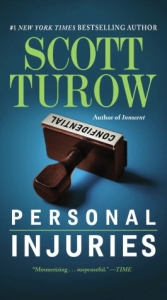
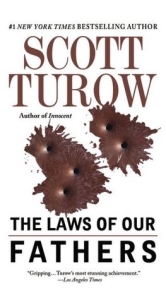
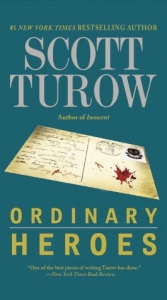
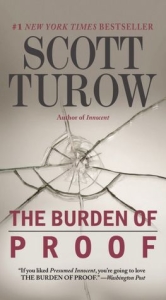
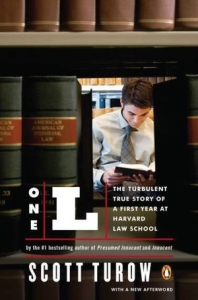
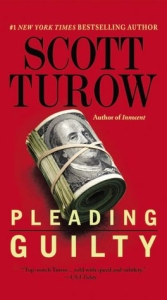
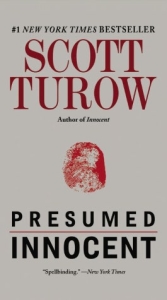
Turow is the author of seven bestselling novels including Presumed Innocent, The Burden of Proof, Pleading Guilty, The Laws of Our Fathers, Personal Injuries, Reversible Errors, and Ordinary Heroes. His books explore justice, morality, and the complexities of human nature through the lens of the legal system. He has also written acclaimed nonfiction including One L, his memoir of his first year at Harvard Law School. His dual career as both a trial lawyer and novelist gives him unique insight into how stories shape our understanding of truth and justice.
Where Law Meets Literature
Turow’s presentations offer audiences a rare perspective on the intersection of law, storytelling, and the pursuit of truth. His keynotes deliver compelling insights on the art of storytelling and narrative craft, justice, morality, and the human experience in the legal system, the creative process behind bestselling fiction, and how compelling narratives illuminate truth beyond courtroom procedures.
A Novelist Goes to Hollywood
A discussion of the rewards and perils when the movies buy your books. Six of my books have been purchased in Hollywood with one movie and two TV miniseries resulting. I recount the fun-interaction with stars and many good creative experiences-and the follies of Hollywood’s complex business calculations, which sometimes make sense when you understand their perspectives.
How I Got To Be Two Things
Humorous reflections on having two careers. Tracing my early ambition to be a novelist, my many early failures and how the great break of my literary career turned out to be my decision to go to law school, with the ensuing challenges of maintaining careers as both a writer and a lawyer.
Where Are You Perry Mason?
A discussion of the popular image of lawyers, focusing on the dizzying ambivalence Americans feel about lawyers and tracing the reasons for both their liking and loathing: attorneys’ power in American society, their perceived dark sides and their ideals as reflected in stories in books, movies and TV.
Confessions of a Death Penalty Agnostic
A balanced discussion of capital punishment. As a prosecutor I supported the death penalty reluctantly, but my experiences as a defense lawyer and as a member of the Illinois Capital Punishment Commission made me realize that the important question about capital punishment is not whether it’s moral but whether it can work as a legal institution to give Americans what they want from it.
The Billable Hour Must Die
Reflections on how contemporary billing practices interfere with the practice of law.
Storytelling in the Courtroom
A novelist talks to lawyers.
Government Ethics In Illinois: An Oxymoron?
Is there such a thing as a culture of corruption? How does it sustain itself? How can the same political culture produce both Barack Obama and Rod Blagojevich? What are the prospects for reform? And what reforms seem essential?
Truth to Justice?
How the truths of the legal system often seem alien to lay persons.
It’s Only Words: Thoughts of a Lawyer & Novelist
A serious dissection of the meaning of voice and rhetoric from the prospective of both a lawyer and novelist.
Language, Truth and Professionalism
How the law’s professional culture alienates lawyers from the public they mean to serve.
Being an Author in the 21st Century
The e-book and its effect on publishing, the threats of book piracy, Google books and the prospect of universal access, and the many challenges as our model changes from IP law as the haven of individual creators to an instrument for corporate competition.