

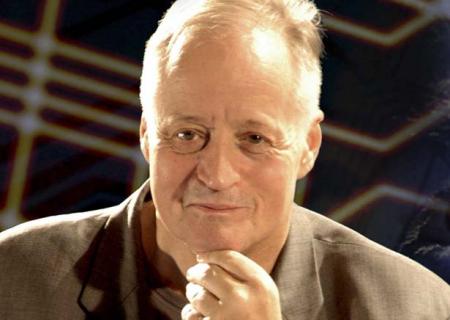
19 Jun Ian Jukes
Speaker: Ian Jukes
Educator & Technology Visionary
Topics:
- Windows on the Future
- The New Connections
- 21st-Century Fluencies for the Digital Age
- Digital Citizenship
- Aligning Technology Initiatives
- The Glocal Citizen
Ian Jukes is one of the most widely traveled education thought leaders alive, having delivered more than 13,000 presentations in more than 80 countries to audiences totaling between 300,000 and 400,000 people per year for more than two decades. A former classroom teacher who taught every grade from kindergarten through Grade 12, he became a school leader, university professor, international consultant, and finally one of the most forceful voices in the global conversation about what education must become. He speaks on digital learning, 21st-century fluencies, the learning needs of digital generations, and the systemic change required to make schools relevant to the world students will actually inherit.
Reinventing Learning for the Always-On Generation
Jukes has written or co-written 27 books and 9 educational series, including the award-winning Reinventing Learning for the Always-On Generation and the widely adopted Literacy Is Not Enough. He founded the InfoSavvy Group and the 21st Century Fluency Project, and created the TechWorks K-8 technology framework. He maintains a digital library of more than 18,000 educational resources shared freely with his clients and global network.
Registered Educational Evangelist
Jukes is a self-described educational evangelist with one mission: to ensure that children are prepared for the future, not society’s past.
Ian Jukes delivers keynotes on digital learning, 21st-century education, educational technology, and preparing students for a world that has already outpaced traditional schooling.
Windows on the Future
This presentation challenges our assumptions about the world we live in and the future we’re headed for by carefully examining the significance of several global exponential trends. In “Windows on Tomorrow,” speaker Ian Jukes considers how these trends affect and will continue to affect our personal and professional lives, our children, our learning institutions, the nature of teaching and learning, and even our definition of intelligence. This presentation, based on the new book Living on the Future Edge: Windows on Tomorrow, is a compelling glimpse into the bold, dynamic future that awaits us all.
The New Connections
This presentation provides a comprehensive profile of today’s digital learners and identifies the skills they’ll need when they enter the workforce. Specifically, speaker Ian Jukes examines how the workplace has changed and how it’s likely to change in the future. What are the new thinking skills workers will require and how must we change education to ensure we are equipping our students with these skills? “The New Connections” provides a pragmatic look at how we can teach effectively in an age when new technologies cascade onto the new digital landscape at an astonishing rate and also identifies the principles and processes that transcend these new technologies.
21st-Century Fluencies for the Digital Age
Powerful technologies and information systems have caused facts to become obsolete faster, and knowledge built on these facts to become less durable. InfoWhelm is breaking down the boundaries between conventional disciplines, altering the very fabric of our society, and affecting the way we work, play, communicate, learn, view our fellow citizens, and consider what’s important for us to know. Yet schools remain largely the same as they have for decades. In “21st-Century Fluencies for the Digital Age,” you’ll learn why it’s important that students develop essential 21st-century fluency skills to operate in the new living, working, and learning environments of the 21st century, and how these skills can be taught in a structured manner at every grade level and in every subject area, and be the responsibility of every teacher throughout the entire school experience.
Digital Citizenship
InfoWhelm and the rise of social media have given us online environments that can be exciting and entertaining, but also unpredictable and sometimes even dangerous. As such, today’s digital citizen must be guided by principles of leadership, accountability, fiscal and personal responsibility, environmental awareness, and global citizenship. In “Digital Citizenship,” speaker Ian Jukes takes an in-depth look at the model citizen in the age of social networking. You’ll learn what the defining characteristics of the digital citizen are; the six primary tenets of effective digital citizenry; and how students can develop a code of ethics that will help them learn responsible behavior, as well as ensure their safety and security in the online world.
Aligning Technology Initiatives
“Aligning Technology Initiatives” is designed to help educational leaders and decision makers wade through the complexities of technology planning. This presentation outlines a simple yet comprehensive multi-point strategy of alignment that will enable technology initiatives to become effectively linked with instructional goals. Participants will come away from this presentation with a clear understanding of how to address state standards, improve test scores, meet their curricular requirements, provide relevant staff development, and provide measurable accountability for expenditures. They’ll also ensure that students are effectively prepared with the skills and knowledge they will need to cope with the new realities of the 21st century.
