

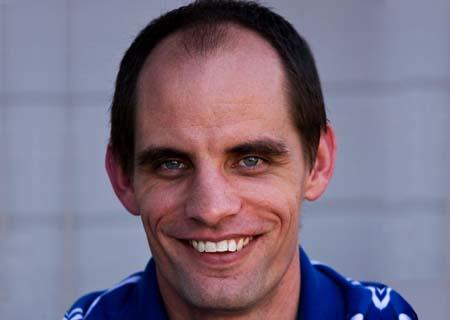
09 Jul Michael Wesch
Speaker: Michael Wesch
Dubbed “the explainer” by Wired magazine, Michael Wesch is a cultural anthropologist exploring the effects of new media on society and culture.
Speech Topics Include:
- Our Mediated Culture & What It Means for Marketers
- From Knowledge to Knowledge-able: Learning in New Media Environments
- A Brief History of the Word “Whatever”
Michael Wesch is a cultural anthropologist and award-winning professor at Kansas State University whose work on how digital technologies reshape human connection, learning, and culture has earned him international recognition. He was named National Professor of the Year by the Carnegie Foundation for the Advancement of Teaching, the highest teaching honor in the United States.
A Digital Anthropologist Who Went Viral
Wesch gained worldwide attention through his viral videos exploring web culture and human connectivity in the digital age, including “The Machine is Us/ing Us” and “A Vision of Students Today,” which have been viewed millions of times. His research examines how social media platforms shape identity, community, and how people consume and create information. He transformed his own classrooms from traditional lectures into collaborative learning experiences that model the kind of engaged, connected education he advocates.
Understanding What Technology Means for Humanity
Wesch’s work goes beyond technology trends to explore what digital tools mean for human relationships, learning, and culture. His innovative teaching methods and anthropological perspective give him a unique lens on the challenges and opportunities facing educators, leaders, and organizations in a hyperconnected world. His keynotes deliver thought-provoking insights on how digital media is reshaping human connection, the future of education and learning in a connected world, building meaningful community in the digital age, and what anthropology teaches us about navigating technological change.
What does Michael Wesch speak about?
Michael Wesch is a Kansas State University professor and creator of the Teaching Without Walls video series, whose work has been viewed over 25 million times and translated into over 20 languages. He speaks on digital media, education, and technology, having been named by the New York Times as one of 10 professors in the nation whose courses “mess with old models” and change how students think.
What is Michael Wesch’s background?
Michael Wesch is known for: Kansas State University professor, creator of the top-ranked YouTube video for college online teaching, named one of 10 professors nationally by the New York Times for transformative teaching.
Who books Michael Wesch to speak?
Meeting planners book Michael Wesch for education and digital media conferences that want a professor whose teaching videos have genuinely reached over 25 million viewers, not a media theorist without that direct audience impact.
Our Mediated Culture & What It Means for Marketers
It took tens of thousands of years for writing to emerge after humans spoke their first words. It took thousands more before the printing press and a few hundred again before the telegraph. Yet today, a new medium of communication emerges every time somebody creates a new web application. A Flickr here, a Twitter there… and a new way of relating to others emerges, and along with it new types of conversation, affiliations, and collaboration. Using examples from anthropological fieldwork in Papua New Guinea, YouTube, university classrooms, and projections into the future, professor and keynote speaker Michael Wesch offers a fascinating look at the often-unnoticed but profound ways in which media “mediate” our culture and transform the way brands and companies need to consider how they relate to their clients and consumers.
From Knowledge to Knowledge-able: Learning in New Media Environments

