08 Jul Rahaf Harfoush

Speaker: RAHAF HARFOUSH
Strategist, Digital Anthropologist, & Best-Selling Author
Speech Topics Include:
- A New Innovation Frontier
- Transform Volatility into Strategic Advantage
- Finding and Keeping The Best Talent
- Reclaiming Focus Has Become a Survival Imperative.
- Psychological Safety & Cohesion of Hybrid Teams
Rahaf Harfoush is a New York Times bestselling author, digital anthropologist, and one of the world’s leading voices on the intersection of emerging technology, innovation, and digital culture. As Executive Director of the Red Thread Institute of Digital Culture and a member of France’s National Digital Council, she helps organizations navigate the human impacts of AI, algorithms, and the rapidly evolving digital landscape.
A Career at the Intersection of Technology and Culture
Harfoush launched her career as a member of Barack Obama’s digital media team during the 2008 presidential campaign, an experience she chronicled in her first book, Yes We Did. She went on to serve as Associate Director of the Technology Pioneer Program at the World Economic Forum in Geneva, identifying disruptive startups improving the state of the world. Her co-authored book The Decoded Company hit both the New York Times and USA Today bestseller lists and won a Gold Axiom Award for Best Business Technology Book.
Redefining How We Work and Think in the Digital Age
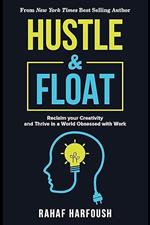
Harfoush teaches Innovation and Emerging Business Models at Sciences Po in Paris and holds positions as Visiting Policy Fellow at the Oxford Internet Institute and Research Affiliate at Cambridge University’s Minderoo Centre for Technology and Democracy. Her book Hustle and Float challenges deeply held beliefs about productivity and creativity in the modern workplace. Named one of the most innovative women in France by Les Napoleons and a top future thinker by the Hay Literary Festival, Harfoush delivers keynotes that translate complex technology trends into actionable insights for leaders and organizations worldwide.
A New Innovation Frontier
The advent of generative AI has ushered in a transformative era for innovation, fundamentally altering how we conceive, create, and collaborate.
As these emerging technologies become increasingly sophisticated, businesses and creators are faced with both unprecedented opportunities and ethical dilemmas. The ability of AI to generate content, solve complex problems, and enhance human creativity has the potential to revolutionize industries. However, this also raises questions about originality, authenticity, and the future role of human creativity in the digital age.
Rahaf navigates these complexities, shedding light on the delicate balance between leveraging AI for innovation and maintaining the integrity of human-centric creation. Pushing past the hype to delve into the business models, consumer behaviors, and strategic insights that are underpinning this technological revolution, she highlights successful case studies and emerging trends to provide actionable insights for organizations looking to harness the power of AI while navigating its potential pitfalls.
Transform Volatility into Strategic Advantage
Today’s leaders face the challenge of not just surviving, but thriving amidst disruption, a difficult feat when digital culture and technology are constantly reshaping leadership best-practices.
To be anti-fragile in this context means to possess the ability to not only absorb shocks but to also use these disruptions as fuel for growth and innovation. Leaders must cultivate a deep understanding of digital culture, trends in technology, and the impact of these forces on their organizations and industries. This requires a shift towards a leadership style that is dynamic, responsive, and adept at leveraging the insights and opportunities afforded by the digital age.
In this keynote, Rahaf delves into the concept of anti-fragility from a digital culture and technology perspective, illustrating how leaders can navigate change, foster innovation, and build an organization that is capable of quickly acting on the opportunities presented by technological disruption.
Finding and Keeping The Best Talent
In the post-resilient landscape where adaptability and agility define organizational success, attracting and retaining top talent has become a nuanced challenge. This keynote focuses on the strategies for keeping employees motivated, engaged, and continuously learning in an era where the pace of technological change is relentless. Organizations must not only integrate new tools and technologies but also cultivate an environment that supports upskilling, lifelong learning, and the psychological well-being of their workforce.
As digital workspaces become the norm, leaders are tasked with creating a culture that values innovation, adaptability, and the human element of technology. The focus shifts towards developing strategies that not only attract skilled professionals but also inspire them to grow, innovate, and remain engaged with the organization’s mission.
Rahaf outlines actionable steps for organizations to enhance their talent management practices in the digital age. Through practical examples and case studies, she illustrates how integrating technology with a deep understanding of digital culture can lead to a more satisfied, productive, and innovative workforce.
Reclaiming Focus Has Become a Survival Imperative.
There is a strange paradox of digital connectivity: while designed to enhance productivity and social engagement, it often leads to increased stress, information burnout, and a decline in mental well-being. Workers find themselves navigating a deluge of digital information, struggling to maintain focus amidst constant interruptions, and grappling with the implications of an overly connected lifestyle. The resultant digital fatigue and team misunderstandings highlight the need for a critical reevaluation of our digital habits and the cultivation of practices that support digital well-being.
This keynote addresses the impact of digital labor intensification and the psychological effects of doom scrolling and dopamine-driven interactions on our ability to focus, engage in deep work, and maintain mental health. Rahaf explores strategies for individuals and organizations to mitigate these challenges, promoting a healthier, more balanced approach to digital engagement.
Rahaf offers actionable insights for organizations to support their employees’ digital well-being, including the implementation of policies that reduce digital overload, encourage digital detoxes, and foster environments conducive to focused work.
Psychological Safety & Cohesion of Hybrid Teams
As hybrid and remote work models become the new normal, the challenge of cultivating a robust organizational digital culture is more critical than ever. Today’s leaders are tasked with the challenge of making geographically dispersed teams feel connected and engaged while establishing digital norms that promote transparency, empathy and inclusivity. These challenges require a deliberate approach to digital culture, emphasizing the importance of policies and practices where employees feel seen and heart, despite the physical distance that separate them.
Rahaf provides strategies for embedding positive digital culture within organizations, highlighting the role of communication, technology, and leadership in shaping an effective hybrid and remote work environment. She discusses creating digital spaces that encourage collaboration, modeling digital-first behaviors by leaders, and establishing frameworks to ensure online interactions are psychologically safe and respectful.